Zvia, Yoni, Chemi and generations of the Peres family; President Rivlin; Prime Minister Netanyahu; members of the Israeli government and the Knesset; heads of state and the government and guests from around the world, including President Abbas, whose presence here is a gesture and a reminder of the unfinished business of peace; to the people of Israel: I could not be more honored to be in Jerusalem to say farewell to my friend Shimon Peres, who showed us that justice and hope are at the heart of the Zionist idea. 兹维娅、约尼、切米,以及佩雷斯家族的几代人;里夫林总统;内塔尼亚胡总理;以色列政府和议会的成员;各国元首、政府首脑以及来自世界各地的嘉宾,包括阿巴斯主席——他的出席是一种姿态,也提醒着我们和平事业尚未完成;以色列人民:我无比荣幸能在耶路撒冷向我的朋友西蒙·佩雷斯告别,他向我们展示了正义与希望是犹太复国主义理想的核心。
A free life, in a homeland regained. A secure life, in a nation that can defend itself, by itself. A full life, in friendship with nations who can be counted on as allies, always. A bountiful life, driven by simple pleasures of family and by big dreams. This was Shimon Peres's life. This is the State of Israel. This is the story of the Jewish people over the last century, and it was made possible by a founding generation that counts Shimon as one of its own. 自由的生活,在失而复得的家园中。安全的生活,在一个能够自卫、靠自己保卫的国家里。充实的生活,与始终可以信赖的盟友国家为友。富足的生活,由家庭的简单快乐和宏大梦想共同驱动。这就是西蒙·佩雷斯的一生。这就是以色列国。这就是过去一个世纪犹太人民的故事,而将西蒙视为其中一员的开国一代,使这一切成为可能。
Shimon once said, "The message of the Jewish people to mankind is that faith and moral vision can triumph over all adversity." For Shimon, that moral vision was rooted in an honest reckoning of the world as it is. Born in the shtetl, he said he felt, "surrounded by a sea of thick and threatening forests." When his family got the chance to go to Palestine, his beloved grandfather's parting words were simple: "Shimon, stay a Jew." Propelled with that faith, he found his home. He found his purpose. He found his life's work. 西蒙曾说:"犹太人民带给人类的启示是,信仰和道德愿景能够战胜一切逆境。"对西蒙而言,这种道德愿景植根于对世界真实面貌的坦诚认知。他出生在一个犹太小村镇,说自己感觉"被一片茂密而危险的森林之海所包围"。当他的家人有机会前往巴勒斯坦时,他深爱的祖父临别时只说了简单的一句话:"西蒙,做一个犹太人。"在这份信仰的推动下,他找到了家园。他找到了目标。他找到了一生的事业。
But he was still a teenager when his grandfather was burned alive by the Nazis in the town where Shimon was born. The synagogue in which he prayed became an inferno. The railroad tracks that had carried him toward the Promised Land also delivered so many of his people to death camps. 但当他的祖父在西蒙出生的小镇被纳粹活活烧死时,他还只是个少年。他曾在其中祈祷的犹太教堂变成了一片火海。那些载着他驶向应许之地的铁轨,也将他无数的同胞送进了死亡集中营。
And so from an early age, Shimon bore witness to the cruelty that human beings could inflict on each other, the ways that one group of people could dehumanize another; the particular madness of anti-Semitism, which has run like a stain through history. That understanding of man's ever-present sinfulness would steel him against hardship and make him vigilant against threats to Jewry around the world. 因此,从很小的时候起,西蒙就亲眼见证了人类可以对彼此施加的残忍,一个群体可以将另一个群体非人化的方式;反犹太主义这种特殊的疯狂,像污点一样贯穿于历史之中。对人性中始终存在的恶的理解,让他在苦难中更加坚强,也让他对世界各地犹太人面临的威胁保持警惕。
But that understanding would never harden his heart. It would never extinguish his faith. Instead, it broadened his moral imagination, and gave him the capacity to see all people as deserving of dignity and respect. It helped him see not just the world as it is, but the world as it should be. 但这种理解从未让他的心变得坚硬。它从未熄灭他的信仰。相反,它拓展了他的道德想象力,让他能够看到所有人都值得拥有尊严和尊重。它帮助他不仅看到世界的现状,更看到世界应有的样子。
What Shimon did to shape the story of Israel is well-chronicled. Starting on the kibbutz he founded with his love Sonya, he began the work of building a model community. Ben Gurion called him to serve the Haganah at headquarters to make sure that the Jewish people had the armaments and the organization to secure their freedom. 西蒙为塑造以色列故事所做的贡献已有详尽记载。从他与爱人索尼娅共同创立的基布兹开始,他着手建设一个模范社区。本·古里安召他到哈加纳总部任职,确保犹太人民拥有武装力量和组织来保卫他们的自由。
After independence, surrounded by enemies who denied Israel's existence and sought to drive it into the sea, the child who had wanted to be a "poet of stars" became a man who built Israel's defense industry, who laid the foundation for the formidable armed forces that won Israel's wars. 独立后,在否认以色列存在、企图将其赶入大海的敌人包围之下,这个曾想成为"星辰诗人"的孩子成长为一个缔造以色列国防工业的人,为赢得以色列战争的强大武装力量奠定了基础。
His skill secured Israel's strategic position. His boldness sent Israeli commandos to Entebbe, and rescued Jews from Ethiopia. His statesmanship built an unbreakable bond with the United States of America and so many other countries. 他的才干巩固了以色列的战略地位。他的魄力派出以色列突击队前往恩德培,从埃塞俄比亚营救了犹太人。他的政治家风范与美利坚合众国及众多其他国家建立了牢不可破的纽带。
His contributions didn't end there. Shimon also showed what people can do when they harness reason and science to a common cause. He understood that a country without many natural resources could more than make up for it with the talents of its people. He made hard choices to roll back inflation and climb up from a terrible economic crisis. He championed the promise of science and technology to make the desert bloom, and turned this tiny country into a central hub of the digital age, making life better not just for people here, but for people around the world. 他的贡献不止于此。西蒙还展示了当人们将理性和科学用于共同事业时能取得怎样的成就。他明白,一个自然资源匮乏的国家完全可以用人民的才华来弥补。他做出艰难抉择,抑制通胀,从严重的经济危机中走出来。他倡导用科技的力量让沙漠开花,将这个小国变成了数字时代的中心枢纽,不仅改善了这里人民的生活,也改善了全世界人民的生活。
Indeed, Shimon's contribution to this nation is so fundamental, so pervasive, that perhaps sometimes they can be overlooked. For a younger generation, Shimon was probably remembered more for a peace process that never reached its endpoint. They would listen to critics on the left who might argue that Shimon did not fully acknowledge the failings of his nation, or perhaps more numerous critics on the right who argued that he refused to see the true wickedness of the world, and called him naïve. 事实上,西蒙对这个国家的贡献是如此根本、如此无处不在,以至于有时可能被忽视。对于年轻一代来说,西蒙可能更多地是因为一场从未达成终点的和平进程而被铭记。他们会听到左翼批评者的声音,认为西蒙没有充分承认他的国家的缺点;或者更多右翼批评者的声音,认为他拒绝看清世界的真实邪恶,并称他为天真。
But whatever he shared with his family or his closest friends, to the world he brushed off the critics. And I know from my conversations with him that his pursuit of peace was never naïve. Every Yom HaShoah, he read the names of the family that he lost. As a young man, he had fed his village by working in the fields during the day, but then defending it by carrying a rifle at night. 但无论他与家人或挚友私下分享了什么,在世人面前,他对批评一笑置之。而从与他的交谈中我知道,他对和平的追求绝非天真。每到大屠杀纪念日,他都会念出失去的家人的名字。年轻时,他白天在田里劳作养活村庄,晚上则扛着步枪保卫它。
He understood, in this war-torn region, where too often Arab youth are taught to hate Israel from an early age -- he understood just how hard peace would be. I'm sure he was alternatively angry and bemused to hear the same critics, who called him hopelessly naïve, depend on the defense architecture that he himself had helped to build. 他明白,在这个饱受战争蹂躏的地区,阿拉伯青年常常从小就被教导要仇恨以色列——他明白和平会有多么艰难。我敢肯定,当听到那些称他无可救药地天真的批评者,转而依赖他自己帮助建立的防御体系时,他一定是既愤怒又觉得好笑。
I don't believe he was naïve. But he understood from hard-earned experience that true security comes through making peace with your neighbors. "We won them all," he said of Israel's wars. "But we did not win the greatest victory that we aspired to: release from the need to win victories." 我不认为他天真。但他从艰辛的经历中懂得,真正的安全来自与邻国实现和平。谈到以色列的战争时,他说:"我们赢得了所有战争。但我们没有赢得我们所渴望的最伟大胜利:从赢得胜利的必要性中解脱出来。"
And just as he understood the practical necessity of peace, Shimon believed that Israel's exceptionalism was rooted not only in fidelity to the Jewish people, but to the moral and ethical vision, the precepts of his Jewish faith. "The Jewish people weren't born to rule another people," he would say. "From the very first day we are against slaves and masters." 正如他理解和平的现实必要性一样,西蒙也相信以色列的特殊性不仅植根于对犹太人民的忠诚,更植根于道德伦理愿景,植根于他的犹太信仰的戒律。他会说:"犹太人民不是为了统治其他民族而生的。从第一天起,我们就反对奴隶和主人的制度。"
Out of the hardships of the diaspora, he found room in his heart for others who suffered. He came to hate prejudice with the passion of one who knows how it feels to be its target. Even in the face of terrorist attacks, even after repeated disappointments at the negotiation table, he insisted that as human beings, Palestinians must be seen as equal in dignity to Jews, and must therefore be equal in self-determination. 从流亡的苦难中,他在心中为其他受苦的人留出了空间。他以一个深知被歧视滋味的人的热情,去憎恨偏见。即使面对恐怖袭击,即使在谈判桌前屡屡失望,他依然坚持认为,作为人,巴勒斯坦人必须被视为与犹太人享有平等的尊严,因此也必须享有平等的自决权。
Because of his sense of justice, his analysis of Israel's security, his understanding of Israel's meaning, he believed that the Zionist idea would be best protected when Palestinians, too, had a state of their own. 出于他的正义感,出于他对以色列安全的分析,出于他对以色列意义的理解,他相信当巴勒斯坦人也拥有自己的国家时,犹太复国主义理想才能得到最好的保护。
Of course, we gather here in the knowledge that Shimon never saw his dream of peace fulfilled. The region is going through a chaotic time. Threats are ever present. And yet, he did not stop dreaming, and he did not stop working. By the time that I came to work with Shimon, he was in the twilight of his years -- although he might not admit it. I would be the 10th U.S. President since John F. Kennedy to sit down with Shimon; the 10th to fall prey to his charms. 当然,我们聚集在这里,都知道西蒙从未亲眼看到他的和平梦想实现。该地区正经历一个混乱的时期。威胁始终存在。然而,他没有停止梦想,也没有停止努力。当我开始与西蒙共事时,他已步入暮年——尽管他可能不会承认。我将是自约翰·F·肯尼迪以来第十位与西蒙坐下来交谈的美国总统;第十位被他的魅力折服的人。
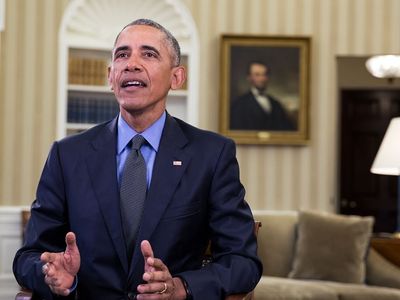
I think of him sitting in the Oval Office, this final member of Israel's founding generation, under the portrait of George Washington, telling me stories from the past, but more often talking with enthusiasm of the present -- his most recent lecture, his next project, his plans for the future, the wonders of his grandchildren. 我想起他坐在椭圆形办公室里的样子,这位以色列开国一代的最后一人,在乔治·华盛顿的画像下,给我讲述过去的故事,但更多时候是满怀热情地谈论当下——他最近的演讲、他的下一个项目、他对未来的计划,以及他孙辈们的趣事。
In many ways, he reminded me of some other giants of the 20th century that I've had the honor to meet -- men like Nelson Mandela; women like Her Majesty, Queen Elizabeth -- leaders who have seen so much, whose lives span such momentous epochs, that they find no need to posture or traffic in what's popular in the moment; people who speak with depth and knowledge, not in sound bites. They find no interest in polls or fads. 在很多方面,他让我想起了我有幸见到的其他一些二十世纪的伟人——纳尔逊·曼德拉这样的男性;伊丽莎白女王陛下这样的女性——这些领导人见多识广,他们的人生跨越了如此重要的时代,以至于他们觉得没有必要装腔作势或迎合当下流行的东西;他们说话有深度、有见地,而不是用简短的口号。他们对民意调查或一时的风尚毫无兴趣。
And like these leaders, Shimon could be true to his convictions even if they cut against the grain of current opinion. He knew, better than the cynic, that if you look out over the arc of history, human beings should be filled not with fear but with hope. I'm sure that's why he was so excited about technology -- because for him, it symbolized the march of human progress. And it's why he loved so much to talk about young people -- because he saw young people unburdened by the prejudices of the past. It's why he believed in miracles -- because in Israel, he saw a miracle come true. 和这些领导人一样,西蒙能够忠于自己的信念,即使这些信念与当前的舆论相悖。他比愤世嫉俗者更清楚,如果你纵观历史的长河,人类心中应该充满的不是恐惧,而是希望。我确信这就是他对科技如此兴奋的原因——因为对他来说,科技象征着人类进步的步伐。这也是他如此喜欢谈论年轻人的原因——因为他看到年轻人没有过去偏见的包袱。这就是他相信奇迹的原因——因为在以色列,他亲眼见证了一个奇迹的成真。
As Americans and Israelis, we often talk about the unbreakable bonds between our nations. And, yes, these bonds encompass common interests -- vital cooperation that makes both our nations more secure. But today we are reminded that the bonds which matter most run deeper. Anchored in a Judeo-Christian tradition, we believe in the irreducible value of every human being. Our nations were built on that idea. They were built in large part by stubborn idealists and striving immigrants, including those who had fled war and fled oppression. 作为美国人和以色列人,我们经常谈论我们两国之间牢不可破的纽带。是的,这些纽带包含共同利益——让我们两国更加安全的重要合作。但今天,我们被提醒,最重要的纽带来得更深。植根于犹太-基督教传统,我们相信每一个人的不可剥夺的价值。我们的国家建立在这一理念之上。它们在很大程度上是由执着的理想主义者和奋斗的移民建立的,包括那些逃离战争和压迫的人。
Both our nations have flaws that we have not always fixed, corners of our history which date back to our founding that we do not always squarely address. But because our founders planted not just flags in the eternal soil, but also planted the seeds of democracy, we have the ability to always pursue a better world. We have the capacity to do what is right. 我们两个国家都有我们并不总能修正的缺陷,有我们并不总能正视的、可以追溯到建国时期的历史角落。但因为我们的奠基者不仅在永恒的土地上插上了旗帜,也播下了民主的种子,所以我们有能力永远追求一个更美好的世界。我们有能力做正确的事。
As an American, as a Christian, a person partly of African descent, born in Hawaii -- a place that could not be further than where Shimon spent his youth -- I took great pleasure in my friendship with this older, wiser man. We shared a love of words and books and history. And perhaps, like most politicians, we shared too great a joy in hearing ourselves talk. But beyond that, I think our friendship was rooted in the fact that I could somehow see myself in his story, and maybe he could see himself in mine. 作为一个美国人,一个基督徒,一个有非洲血统的人,出生在夏威夷——一个与西蒙年轻时生活的地方相隔最远的地方——我为能与这位更年长、更睿智的人建立友谊而深感欣慰。我们都热爱文字、书籍和历史。也许,和大多数政治家一样,我们都太喜欢听自己讲话了。但除此之外,我认为我们的友谊植根于这样一个事实:我能在他的故事中看到自己,也许他也能在我的故事中看到他自己。
Because for all of our differences, both of us had lived such unlikely lives. It was so surprising to see the two of us where we had started, talking together in the White House, meeting here in Israel. And I think both of us understood that we were here only because in some way we reflected the magnificent story of our nations. 因为尽管我们有种种不同,我们两人都过着如此不可思议的人生。想到我们各自的起点,我们两人能在白宫交谈、能在以色列见面,是多么令人惊讶。我想我们都明白,我们能走到今天,只是因为我们在某种程度上映照了我们各自国家的壮丽故事。
Shimon's story, the story of Israel, the experience of the Jewish people, I believe it is universal. It's the story of a people who, over so many centuries in the wilderness, never gave up on that basic human longing to return home. It's the story of a people who suffered the boot of oppression and the shutting of the gas chamber's door, and yet never gave up on a belief in goodness. And it's the story of a man who was counted on, and then often counted out, again and again, and who never lost hope. 西蒙的故事,以色列的故事,犹太人民的经历,我相信是普世的。这是一个民族的故事——多少个世纪以来,他们在荒野中漂泊,却从未放弃回归家园这一基本的人类渴望。这是一个民族的故事——他们承受过压迫的铁蹄,经历过毒气室大门的关闭,却从未放弃对善的信仰。这也是一个人的故事——他一次次被寄予厚望,又一次次被认为已经出局,但他从未失去希望。
Shimon Peres reminds us that the State of Israel, like the United States of America, was not built by cynics. We exist because people before us refused to be constrained by the past or the difficulties of the present. And Shimon Peres was never cynical. It is that faith, that optimism, that belief -- even when all the evidence is to the contrary -- that tomorrow can be better, that makes us not just honor Shimon Peres, but love him. 西蒙·佩雷斯提醒我们,以色列国,如同美利坚合众国一样,不是由愤世嫉俗者建立的。我们之所以存在,是因为前人拒绝被过去或当下的困难所束缚。而西蒙·佩雷斯从不愤世嫉俗。正是那份信念,那份乐观,那份——即使所有证据都指向相反方向时依然相信——明天会更好的信念,让我们不仅尊敬西蒙·佩雷斯,更热爱他。
The last of the founding generation is now gone. Shimon accomplished enough things in his life for a thousand men. But he understood that it is better to live to the very end of his time on Earth with a longing not for the past but for the dreams that have not yet come true -- an Israel that is secure in a just and lasting peace with its neighbors. And so now this work is in the hand of Israel's next generation, in the hands of Israel's next generation and its friends. 开国一代的最后一人如今已离我们而去。西蒙一生中完成的事业足够一千个人去做。但他明白,在人生走到尽头时,最好不是眷恋过去,而是怀揣尚未实现的梦想——一个与邻国实现公正持久和平、安全无虞的以色列。因此,现在这项事业交到了以色列下一代人的手中,交到了以色列的下一代及其朋友们的手中。
Like Joshua, we feel the weight of responsibility that Shimon seemed to wear so lightly. But we draw strength from his example and the fact that he believed in us -- even when we doubted ourselves. 就像约书亚一样,我们感受到了责任的重量,而这份重量西蒙似乎总能轻松承担。但我们从他的榜样中汲取力量,从他对我们的信任中汲取力量——即使在我们怀疑自己的时候。
Scripture tells us that before his death, Moses said: 圣经告诉我们,摩西在去世前说:
I call upon heaven and earth to bear witness this day that I have set before you life and death, blessing and curse; therefore choose life, that you and your offspring may live. 我今日呼天唤地向你作见证,我将生死、祸福陈明在你面前,所以你要拣选生命,使你和你的后裔都得存活。
Uvacharta Bachayim. Choose life. For Shimon, let us choose life, as he always did. Let us make his work our own. May God bless his memory. And may God bless this country, and this world, that he loved so dearly. 你要拣选生命。选择生命。为了西蒙,让我们选择生命,就像他一直以来所做的那样。让我们继承他的事业。愿上帝保佑他的记忆。愿上帝保佑他深爱的这个国家,保佑这个世界。
Shimon: Todah Rabah Chaver Yakar. 西蒙:非常感谢你,亲爱的朋友。