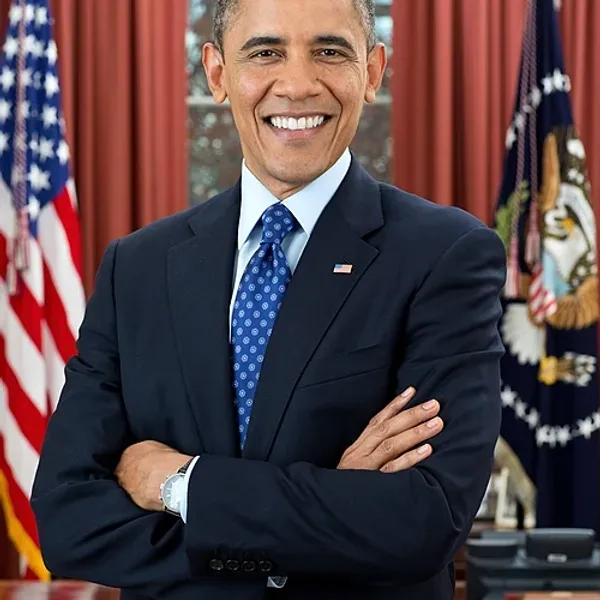
President Obama: At the front end I've got to tell you, I'm a huge fan of The Wire. I think it's one of the greatest not just television shows, but pieces of art, in the last couple of decades. I was a huge fan of it. What is it that you saw, you learned, you heard, that made you start thinking about the culture of the drug trade and its impact on the inner cities, and that compelled you then to want to tell these stories? 奥巴马总统:首先我得告诉你,我是《火线》的超级粉丝。我认为它不仅是最伟大的电视剧之一,也是过去几十年里最伟大的艺术作品之一。我是它的忠实粉丝。你看到了什么、学到了什么、听到了什么,让你开始思考毒品交易文化及其对城市贫民区的影响,并促使你想要讲述这些故事?
David Simon: Well, I was in Baltimore and it's a very drug saturated city, or it certainly was in the early 1980s when I arrived. And this was a time where people thought they could arrest their way out of a drug problem. And they actually tried to do that. And what became increasingly obvious to me over the years of covering it was that when you devote yourselves to street-level drug enforcement, when you try to win the drug war, you only have a limited number of resources limited amount of resources. 大卫·西蒙:嗯,我当时在巴尔的摩,那是一个毒品泛滥的城市,或者说在我刚到的二十世纪八十年代初确实如此。那时候人们以为可以通过逮捕来解决毒品问题。他们真的尝试过这么做。而多年来报道这个话题让我越来越清楚地认识到,当你把精力投入到街头毒品执法时,当你试图打赢毒品战争时,你的资源是有限的——非常有限。
And I watched the police department in Baltimore, and then I noticed it in other cities -- other cities with the same sort of problems of drug use. They stopped doing police work. They were arresting people for drugs, and that was presumptive police work, but actually it wasn't. And at the same time that the numbers of drug arrests, and the incarcerations for drug arrests, went up -- and they were small incarcerations; they were two, three months in jail because you couldn't put them anywhere -- you couldn't build prisons fast enough. 我看着巴尔的摩警察局的情况,后来在其他城市也注意到了同样的现象——其他有着类似毒品问题的城市。他们不再做真正的警察工作。他们以毒品罪名逮捕人,这表面上像是警察工作,但实际上不是。与此同时,毒品逮捕人数和因毒品被捕而入狱的人数都在上升——而且这些都是短期监禁;通常只是两三个月的刑期,因为你没地方关他们——监狱建得不够快。
Meanwhile, the arrest rates for rape, robbery, murder, were going down. And the one thing that makes cities safer is competent retroactive investigation of felonies. That actually can make a city safer. But to do that you have to use and not be used by informants. You have to know how to testify in court. You have to write a search warrant that is going to hold up. 与此同时,强奸、抢劫、谋杀的破案率却在下降。而让城市更安全的唯一途径,是对重罪进行有能力的追溯调查。那才真正能让城市更安全。但要做到这一点,你得利用线人而不是被线人利用。你得知道如何在法庭上作证。你得写出能经得起推敲的搜查令。
President Obama: You know, the good news is that some of the smarter police departments started to figure this out. 奥巴马总统:你知道,好消息是一些更明智的警察部门已经开始想明白这一点了。
David Simon: Right. That's true. 大卫·西蒙:对,没错。
President Obama: And we've seen reductions in violent crime in most big cities in America, in some cases precipitously, partly because I think there was an awareness that we were so invested in street-level drug transactions that we were losing focus on what was really important, which was people wanted to be safe. 奥巴马总统:我们看到美国大多数大城市的暴力犯罪率都在下降,有些地方下降得非常快,部分原因是我认为人们意识到,我们在街头毒品交易上投入了太多精力,以至于忽略了真正重要的事情——那就是人们想要安全。
On the other hand, what we know is that a consequence of that was this massive trend towards incarceration, even of non-violent drug offenders. And I saw this during the period that you were reporting and then starting to write for television. I saw this from the perspective of a state legislator -- this just explosion of incarcerations, disproportionately African American and Latino. 另一方面,我们知道其后果是大规模监禁的趋势,甚至包括非暴力毒品犯罪者。我在你做记者然后开始写电视剧的那段时期就亲眼目睹了这一切。我从州议员的角度看到了这一点——监禁人数暴增,其中非裔美国人和拉丁裔比例严重失衡。
And the challenge which you depict in your show is: folks go in at great expense to the state, many times trained to become more hardened criminals while in prison, come out and are basically unemployable, and end up looping back in. 而你在剧中描绘的挑战是:人们以巨大的社会成本被投入监狱,很多时候在狱中被训练成更顽固的罪犯,出狱后基本上找不到工作,最终又重蹈覆辙。
David Simon: Permanently a part of the "other America." 大卫·西蒙:永久地成为"另一个美国"的一部分。
President Obama: Exactly. 奥巴马总统:正是如此。
David Simon: They can't be pulled back. Nobody incarcerates their population at this level. And to look at it -- when I came in as a police reporter, the federal prison population was about 34% violent offenders. When I left as a police reporter 13 years later, it was about 7%. So these were less violent people getting longer sentences. Of course there was the elimination of parole and "good time" -- all you had was good time, and so people were staying in. 大卫·西蒙:他们再也回不来了。没有哪个国家以这种规模监禁本国人口。想想看——我刚做警察记者的时候,联邦监狱人口中大约百分之三十四是暴力罪犯。十三年后我离开警察记者岗位时,这个比例大约只有百分之七。所以是越来越少暴力的人被判了越来越长的刑期。当然还有假释和"善行减刑"的取消——剩下的只有善行减刑,所以人们就得一直待在里面。
And you're absolutely right: They come back out completely tarred -- they can't vote; they can't participate in their communities; they've lost track of families; families have been destroyed; communities have been upended. And if it was this draconian and it worked, then maybe we could have a discussion that said what we're doing is working -- 你说得完全对:他们出狱后被彻底污名化——不能投票;不能参与社区生活;与家人失去联系;家庭被摧毁;社区被颠覆。如果这么严酷的手段真的有效,那也许我们还能讨论说我们做的是对的——
President Obama: -- "The tradeoffs were worth it." 奥巴马总统:——"这些代价是值得的。"
David Simon: Yeah: "It's terrible and we're losing a lot of humanity, but hey, it's working." But it doesn't work. It's draconian and it doesn't work. 大卫·西蒙:是啊:"这很糟糕,我们失去了很多人性,但嘿,它有效。"但它根本无效。它既严酷又无效。
President Obama: I've been looking at -- because it's part of the fallout of what you described -- as the economy's recovering, unemployment is coming down drastically. But one of the puzzles we have is we still have low participation rates among the population in the aggregate, but when you break down why people are not getting back in the labor force even as jobs are being created, a big chunk of that is the young male population -- 奥巴马总统:我一直在研究——因为这也是你描述的问题带来的后果之一——随着经济复苏,失业率大幅下降。但我们面临的一个难题是,总体劳动参与率仍然偏低,而当你分析为什么即使在创造就业机会的情况下人们也没有重新进入劳动力市场时,很大一部分原因是年轻男性群体——
David Simon: With a felony history. 大卫·西蒙:有重罪前科的。
President Obama: -- with felony histories. And so now, where we have the opportunity to give them a pathway towards a responsible life, they're foreclosed, and that's counterproductive. 奥巴马总统:——有重罪前科的。所以现在,当我们有机会给他们一条通往负责任生活的道路时,他们却被拒之门外,这反而适得其反。
David Simon: The guy who was the model for the character Omar in The Wire was a real guy named Donny Anders. I never thought I'd be saying his name in the White House. He's a guy who lived the life on the street. He spent years robbing drug dealers. He lived hard. And he eventually caught a 17 year bit -- and he deserved it. But he wasn't caught; he actually went in on conscience because it finally got to him. 大卫·西蒙:《火线》中奥马尔这个角色的原型是一个叫唐尼·安德斯的真人。我从没想过我会在白宫说出他的名字。他是一个在街头讨生活的人。他多年来一直抢劫毒贩。日子过得很艰难。他最终被判了十七年监禁——那是他罪有应得。但他不是被抓的;他实际上是出于良心自首的,因为内心终于承受不住了。
And he did everything that the prosecutors wanted him to do. And he came out 17 years later and all he wanted to do was give back to West Baltimore. He'd taken so much, and he'd been in for 17 years; he just wanted to address himself to the disaster. And on paper that man -- who is an extraordinary man; he's one of the most extraordinary people I've met in my life -- on paper he was a convicted felon and a convicted murderer. 他做了检察官要求他做的一切。十七年后他出狱了,他唯一想做的就是回报西巴尔的摩。他曾从那里索取了那么多,又在里面待了十七年;他只想为那场灾难尽一份力。而在纸面上,那个人——他是一个非凡的人,是我一生中见过的最非凡的人之一——在纸面上他是一个已定罪的重罪犯和已定罪的杀人犯。
And there was no -- there was nothing that could get him from that extremity. Multiply that by hundreds of thousands of lives that have been disconnected and have no way to channel back into. 而且没有——没有任何东西能把他从那种绝境中拉出来。再乘以数十万这样的生命,他们与社会脱节,没有任何途径重新融入。
President Obama: Yeah. Well, and part of what -- Omar's, by the way, my favorite character. 奥巴马总统:是啊。对了,顺便说一句,奥马尔是我最喜欢的角色。
David Simon: That was the part -- I was worried about that when you said it. 大卫·西蒙:我刚才还在担心——你说这话的时候我还担心来着。
President Obama: But part of what your show depicted though is also that there's a generational element to this, right? So you got entire generations of men being locked up, which means entire generations of boys growing up either without a father or, if they see their dad, they're seeing him in prison. 奥巴马总统:但你的剧所描绘的一部分内容是,这其中还有代际因素,对吧?整整几代男人被关起来,这意味着整整几代男孩在没有父亲的环境中长大,或者即使他们能见到父亲,也是在监狱里见到的。
David Simon: Right. I mean this is not happening in a vacuum. These are the places in America where the industrialization has had the most effect, and where the unemployment rates -- the actual unemployment rates -- among young Black males in my city bear no resemblance to the actual unemployment rate nationally. And so that's something that has to be countered, which is that the drug trade itself, it's like a company town. 大卫·西蒙:没错。我是说这不是凭空发生的。在美国这些地方,去工业化的影响最为严重,我所在城市年轻黑人男性的失业率——实际失业率——与全国实际失业率完全不可同日而语。所以这是必须应对的问题,那就是毒品交易本身,它就像一个公司城镇。
And this is a[n] industry that's so large, and with so much money around it, that it's hard to get around it if you grow up amid it, and certainly without role models that know how to maneuver around it. And to undo that, taking the overlay that is the drug war, and at least rationing it down and making it proportional in some way is essential, because right now, what drugs don't destroy, the war against them is ripping apart. 这个产业规模如此庞大,围绕它的金钱如此之多,如果你在其中长大,又没有懂得如何避开它的榜样,就很难摆脱它。要改变这种状况,把毒品战争这层叠加因素至少削减下来,以某种方式使其适度化,是至关重要的,因为现在,毒品没有摧毁的东西,禁毒战争正在将其撕裂。
President Obama: Well, here's the good news. There is a[n] increasing realization on the Left but also on the Right, politically, that what we're doing is counterproductive, either from a Libertarian perspective, the way we treat nonviolent drug crimes is problematic; and from a fiscal perspective it's breaking the bank. 奥巴马总统:嗯,好消息是。政界左右两派都越来越意识到,我们现在的做法适得其反——无论是从自由意志主义的角度看,我们对待非暴力毒品犯罪的方式是有问题的;还是从财政角度看,这正在耗尽国库。
You end up spending so much more on prison than you would with these kids being in school or even going to college that it's counterproductive; and it means everyone's taxes are going up, or at least services that everybody uses are being squeezed, or we can't hire cops to deal with violent crime as you talked about. We're all responsible for at least finding a solution to this, and the encouraging thing is, I think awareness is increasing, in part because violent crime has gone down in a lot of big cities -- people are more open to having a discussion about this. 你花在监狱上的钱比让这些孩子上学甚至上大学要多得多,这完全是得不偿失;这意味着每个人的税都在涨,或者至少每个人都在使用的公共服务被压缩了,又或者我们没法像你说的那样雇佣警察来应对暴力犯罪。我们都有责任至少找到一个解决方案,而令人鼓舞的是,我认为人们的意识在提高,部分原因是很多大城市的暴力犯罪率下降了——人们更愿意就这个问题展开讨论。
David Simon: Yeah, they're not as frightened. 大卫·西蒙:是啊,他们不那么害怕了。
President Obama: And I think we have to seize that opportunity. But part of the challenge is going to be making sure, number one, that we humanize what so often on the local news is just a bunch of shadowy characters, and tell their stories. And that's where the work you've done is so important. 奥巴马总统:我认为我们必须抓住这个机会。但挑战之一将是确保,首先,我们要把那些在地方新闻中常常只是一群模糊身影的人变得有人性化,讲述他们的故事。而这正是你所做的工作如此重要的原因。
Then the second thing is enlisting law enforcement as an ally on this. Now, Eric Holder, my Attorney General, we started talking about this several years ago when I first came in to office. And one of the things that we tried to do is change how we talk to U.S. attorneys and their offices about what is a measure of effective prosecution. And when we came into office, I think what was probably true in a lot of State's Attorney's Offices, the measure was, how much time do you get? 然后第二件事是争取执法部门成为这方面的盟友。我的司法部长埃里克·霍尔德,我们几年前刚上任时就开始讨论这个问题了。我们试图做的一件事,就是改变我们与联邦检察官及其办公室讨论有效起诉标准的方式。我们刚上任时,我想很多州检察官办公室可能都是这样——衡量标准就是,你能判多少年?
David Simon: Charge the maximum. 大卫·西蒙:按最高量刑来起诉。
President Obama: Charge the max. And our point was, effectiveness as a prosecutor involves thinking about justice, and being proportional in how you think about these issues. And that's something we can do administratively, but ultimately we're going to need legislation, and that's where raising awareness is going to be important. And law enforcement and prosecutors have to be able to talk about this. And we have to let them know -- and you show this in The Wire as well -- in the same way you've got to be able to humanize those involved in the drug trade. 奥巴马总统:按最高来起诉。而我们的观点是,作为一名检察官的成效包括思考正义,以及在思考这些问题时保持适度。这是我们可以通过行政手段做到的,但最终我们需要立法,这就是提高意识之所以重要的原因。执法部门和检察官必须能够谈论这个问题。我们必须让他们知道——你在《火线》中也展示了这一点——就像你必须能够让参与毒品交易的人变得有人性化一样。
We have to remind ourselves that the police, they've got a scary, tough, difficult job. And if the rest of society is saying, "Just go deal with this" and "We don't want to hear about it" and "You're just on the front lines" and "Just keep it out of our sight lines" and "Its not our problem" -- we're betraying them as well. 我们必须提醒自己,警察的工作既可怕又艰难又困难。如果社会上其他人只是说"你们去处理吧"、"我们不想听"、"你们就在前线顶着"、"别让我们看见"、"这不是我们的问题"——那我们也是在背叛他们。
And ultimately you're going to have to address some of the environmental issues. And I know that's not fashionable because the notion is, "Oh, you don't want to make excuses for criminals." What we understand -- and what perhaps one of the most moving sections of The Wire was that whole depiction of the schools in Baltimore and public schools -- was that if kids are left so far behind that they don't have recourse, they're going to see what else is available to survive. 最终你还得解决一些环境问题。我知道这不太受欢迎,因为人们会说"哦,你不想为罪犯找借口"。我们明白——也许《火线》中最感人的部分之一就是对巴尔的摩学校和公立学校的整个描绘——如果孩子们被远远甩在后面,没有任何出路,他们就会去寻找其他生存的方式。
David Simon: They're going to learn, one way or the other. 大卫·西蒙:他们总归要学点东西的,不管是哪条路。
President Obama: They're going to learn something. And so we're going to have to think about schools and counselors and mental health and ultimately jobs and re-industrialization -- and I think we understand all that. 奥巴马总统:他们总归要学些东西。所以我们必须考虑学校、辅导员、心理健康,最终还有就业和再工业化——我想我们都明白这一点。
But if we can start down this path to a more productive way of thinking about drugs and its intersection with law enforcement, 20 years from now we can say to ourselves: "Well, maybe we got a little smarter." And, we didn't get here overnight and we're not going to get out of it overnight, but the fact that we've got people talking about it in a smarter way gets me a little encouraged. 但如果我们能开始走上这条道路,以更有建设性的方式思考毒品问题及其与执法的交叉点,二十年后我们可以对自己说:"嗯,也许我们变得聪明了一点。"我们不是一夜之间走到这一步的,也不会一夜之间走出困境,但人们开始以更明智的方式谈论这个问题,这让我感到些许鼓舞。
David Simon: From your mouth to God's ear. 大卫·西蒙:但愿如你所说。
President Obama: I enjoyed it. 奥巴马总统:我很享受这次对话。
David Simon: Thank you very much. 大卫·西蒙:非常感谢。
President Obama: Thank you. 奥巴马总统:谢谢你。