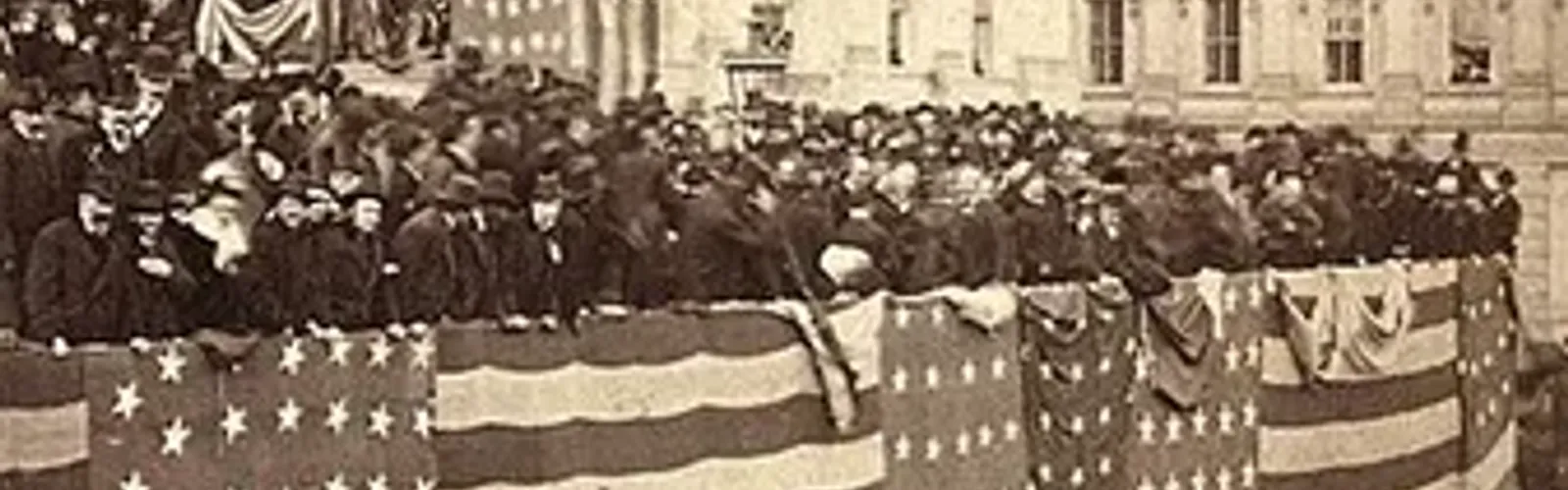
Rutherford B. Hayes's 1877 Inaugural Address
The result of the 1876 presidential election between Rutherford B. Hayes and Democratic candidate Samuel J. Tilden remained unresolved because electoral votes from four states were disputed. A special Electoral Commission ultimately awarded the contested votes to Hayes by an 8–7 decision, giving him a 185–184 victory. To prevent a gap in presidential authority, Hayes took the oath privately on March 3, 1877, and was inaugurated publicly on March 5. His address made permanent pacification of the South a central priority, promised equal constitutional protection for white and Black citizens, and supported honest local self-government, universal education, and the removal of sectional and racial divisions. He also called for thorough civil-service reform, resumption of specie payments, noninterference abroad, arbitration of disputes, and peaceful national acceptance of the legally determined election result. The address did not explicitly promise troop withdrawal, although Hayes's administration later removed the last federal troops from the South, an action commonly associated with the end of Reconstruction.
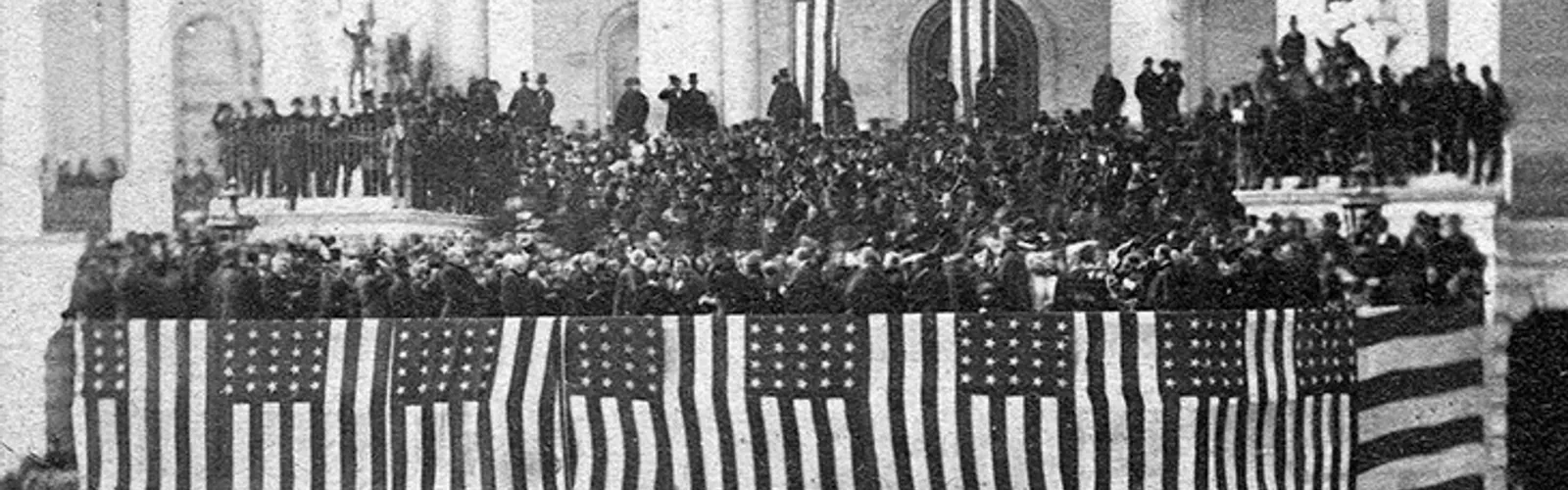
Ulysses S. Grant's 1873 Inaugural Address
On March 4, 1873, Ulysses S. Grant took the oath for a second term as the eighteenth President of the United States at the U.S. Capitol in Washington. He had defeated Horace Greeley, the candidate supported by both the Liberal Republicans and Democrats, in the 1872 election. Grant reviewed the progress of Reconstruction, stated that formerly enslaved Black citizens still lacked the civil rights that citizenship should carry, and pledged to use executive influence to correct the injustice. He also called for sectional reconciliation, restoration of the currency toward parity with gold, inexpensive transportation, renewed ocean commerce and manufacturing, friendly foreign relations, and an educational and humane approach toward Native Americans. He defended his first-term proposal to annex Santo Domingo but promised that future territorial acquisition would first require public support, and he pledged to continue civil-service reform. Soon after the address, the Panic of 1873 began a prolonged depression, while several corruption scandals troubled his second term.
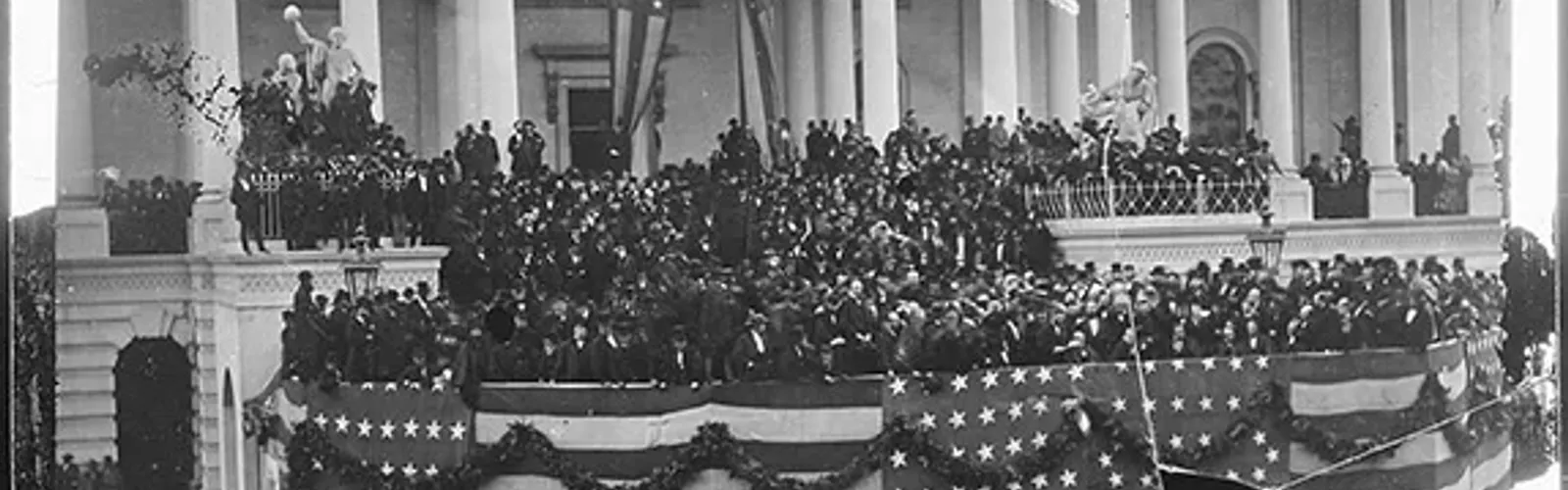
Ulysses S. Grant's 1869 Inaugural Address
On March 4, 1869, Ulysses S. Grant took the oath of office as the eighteenth President of the United States at the U.S. Capitol in Washington. He had defeated Democratic candidate Horatio Seymour in the 1868 election and entered the White House as the commanding general of the Union armies and a symbol of victory in the Civil War. The country remained in Reconstruction, three former Confederate states had not yet returned to formal federal relations, and war debt, monetary credit, and Black suffrage were urgent issues. In this concise address, Grant promised faithful execution of all laws and protection of personal security, property, and free religious and political opinion. He advocated repayment of the public debt, restoration of a specie basis, strict revenue collection, and economy in expenditure. He also called for renewed commerce, preservation of national credit, equitable foreign relations, better public appointments, and ratification of the Fifteenth Amendment to protect Black male suffrage. Toward Native Americans, he expressed the period's assimilationist goal of what was then called civilization and eventual citizenship.
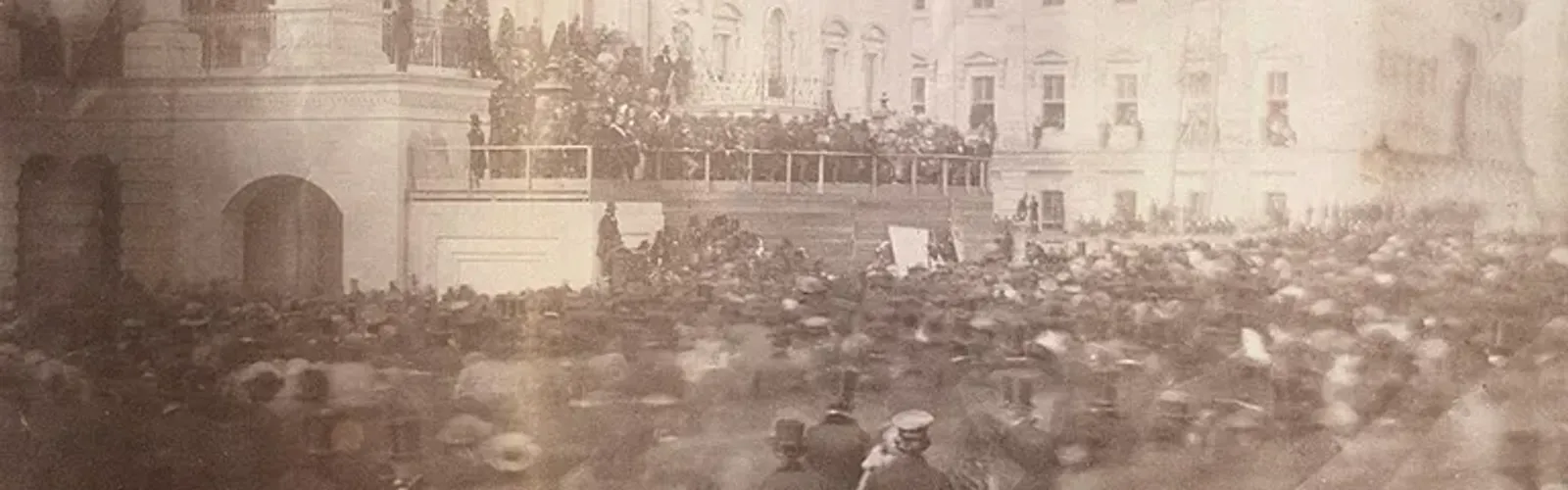
James Buchanan's 1857 Inaugural Address
On March 4, 1857, Democrat James Buchanan took office as the fifteenth president of the United States at the East Portico of the Capitol in Washington. The preceding campaign centered on the extension of slavery into the western territories; Buchanan defeated Republican John C. Frémont and American Party candidate Millard Fillmore. In this address, he treated territorial slavery as a matter for popular sovereignty and the Supreme Court, called for an end to sectional agitation and the preservation of the Union, and discussed public integrity, the Treasury surplus, public lands, strict constitutional construction, a military road to the Pacific, and peaceful foreign relations. Two days later, the Supreme Court announced its decision in Dred Scott v. Sandford. The Kansas controversy and sectional conflict continued to intensify; the Panic of 1857 began that August and caused an economic downturn. Seven Southern states declared secession before Buchanan's term ended.
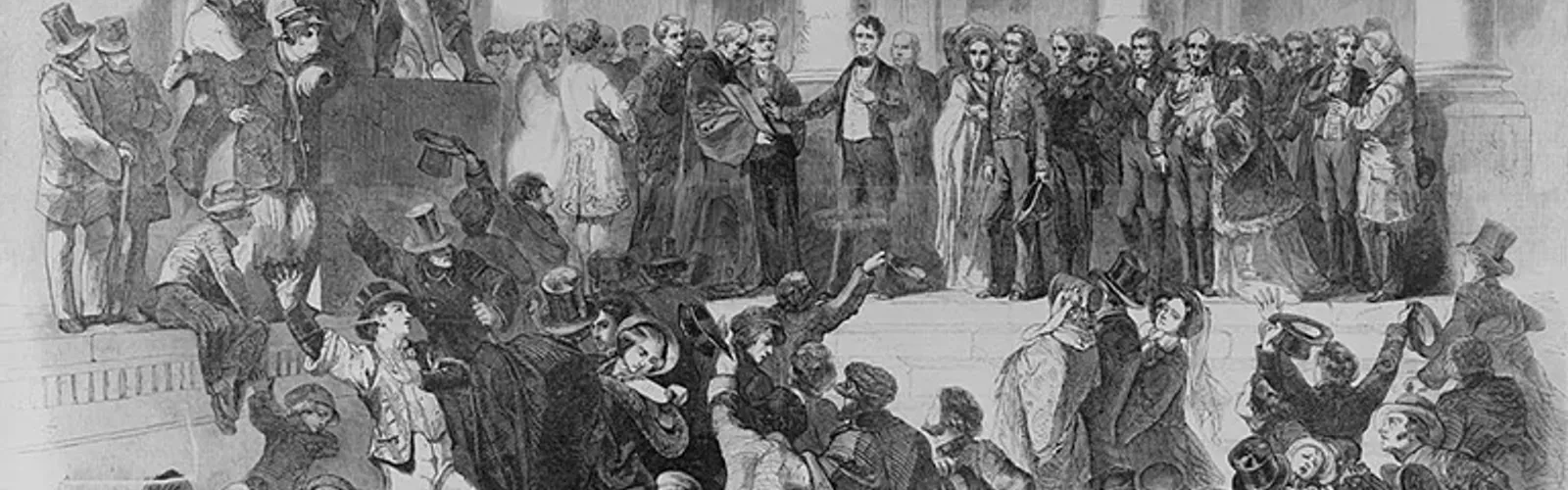
Franklin Pierce's 1853 Inaugural Address
On March 4, 1853, Democrat Franklin Pierce took office as the fourteenth president of the United States at the East Portico of the Capitol in Washington. In the 1852 election, he had campaigned on support for the Compromise of 1850 and preservation of the Union, defeating Whig candidate Winfield Scott. The address reviewed the republic's expansion, advocated peaceful protection of commercial and diplomatic interests, supported further territorial growth, opposed a large standing army, and emphasized integrity, economy, and the division of state and federal powers. On slavery, Pierce said that existing state institutions were protected by the Constitution and pledged to enforce the compromise measures of 1850. His administration later pursued the Gadsden Purchase and enacted the Kansas–Nebraska Act, which removed the Missouri Compromise restriction and helped provoke Bleeding Kansas, further worsening sectional conflict.
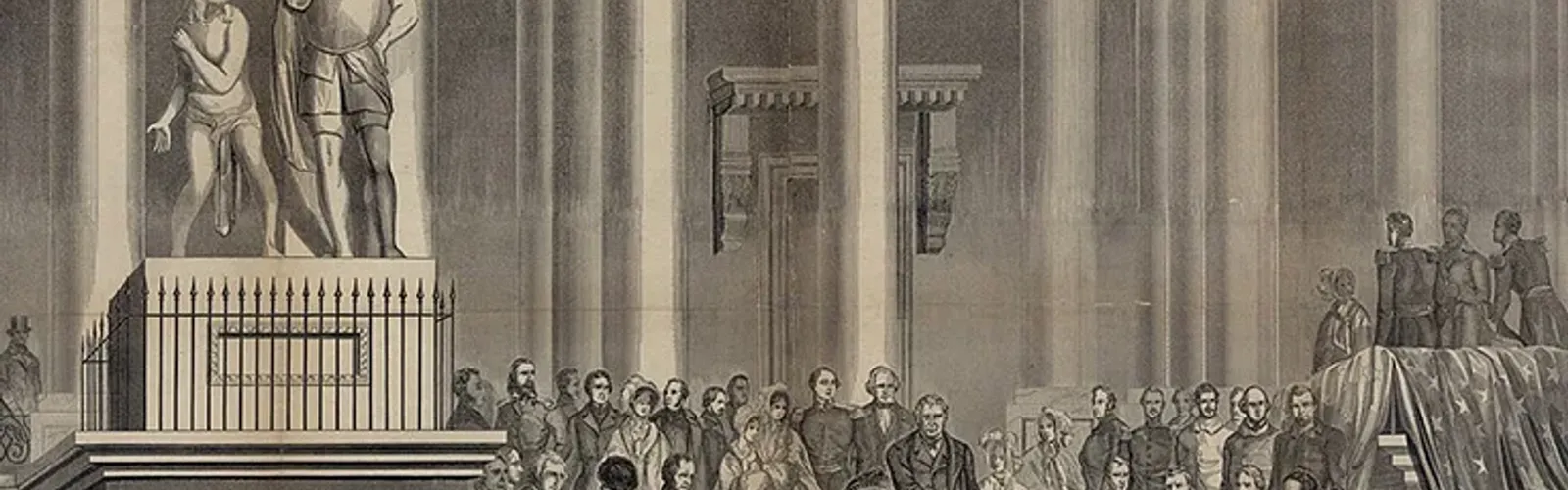
Zachary Taylor's 1849 Inaugural Address
On March 5, 1849, Whig Zachary Taylor took office as the twelfth president of the United States at the East Portico of the Capitol in Washington; because March 4 fell on a Sunday, the ceremony was held one day later. A career soldier with almost no political experience, Taylor won the 1848 election on the strength of his fame from the Mexican–American War victories at Monterrey and Buena Vista. The address presented the Constitution as his guide, emphasized honesty, capacity, and fidelity in appointments, advocated neutrality and exhaustive negotiation before force, and called for economy, debt reduction, conciliation of sectional interests, and preservation of the Union. It did not directly address the dispute over slavery in the new territories. As president, Taylor opposed extending slavery into California and New Mexico. He died in July 1850 after a sudden digestive illness, having served about sixteen months.
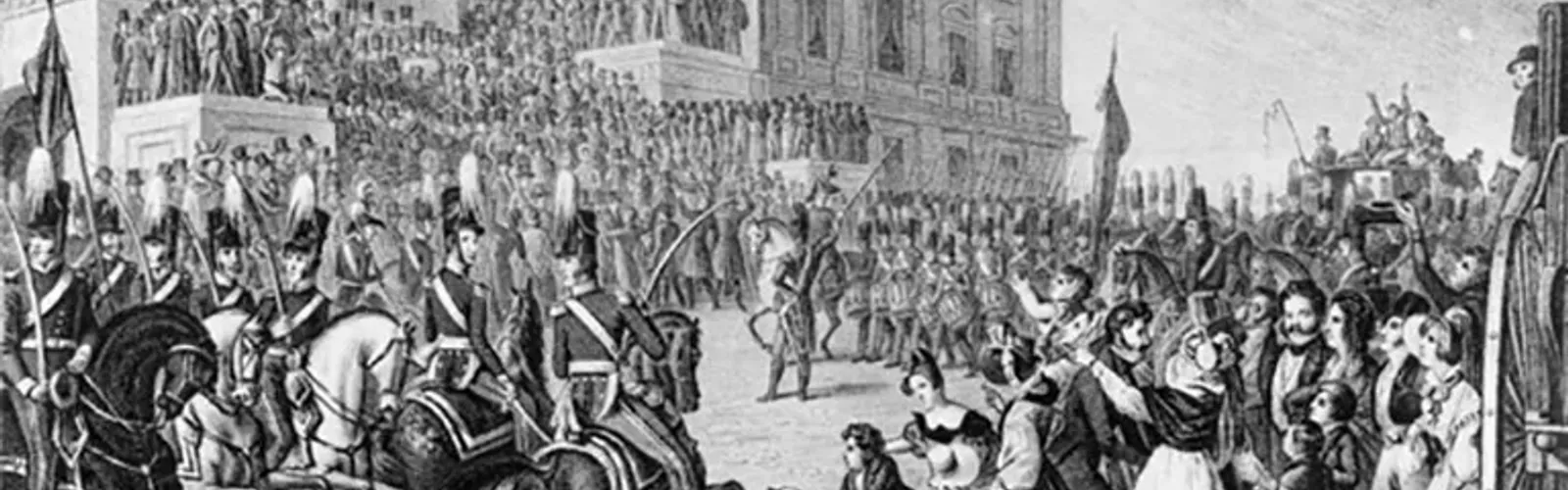
James K. Polk's 1845 Inaugural Address
On March 4, 1845, Democrat James Knox Polk took office as the eleventh president of the United States at the East Portico of the Capitol in Washington. In the 1844 election, he defeated Whig Henry Clay after campaigning prominently for the annexation of Texas and the American claim to Oregon. The address emphasized strict construction of federal power, protection of minority rights, preservation of the Union and constitutional compromises, opposition to a national bank and protective tariffs, economy, debt repayment, and a tariff designed primarily for revenue. It also explicitly supported annexing Texas and extending American jurisdiction in Oregon. His administration later settled the boundary with Britain through the Oregon Treaty, restored the independent treasury, lowered tariffs, and acquired vast western lands under the Treaty of Guadalupe Hidalgo after the Mexican–American War, further intensifying the dispute over the expansion of slavery.
James Monroe's 1821 Inaugural Address
On March 5, 1821, because the scheduled inauguration date of March 4 fell on a Sunday, James Monroe postponed his second inauguration until Monday after consulting Supreme Court justices and took the oath in the House of Representatives Chamber at the U.S. Capitol in Washington. The address reviewed post-War of 1812 coastal fortifications and naval development; discussed the decline in prices and federal revenue following the Panic of 1819, the public debt, and choices involving taxes and loans; described the ratified and exchanged Adams-Onís Treaty and the acquisition of Florida; and reaffirmed U.S. neutrality in the wars between Spain and its American colonies. Monroe also proposed an assimilationist policy of allotting Native lands to individuals and using compensation for ceded territory to support government, farming instruction, and education. The address did not yet formally announce the Monroe Doctrine of 1823.