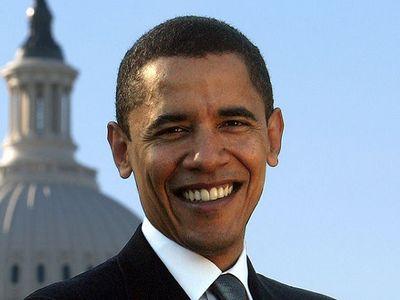
Senate Floor Speech on the PATRIOT Act
On December 15, 2005, then-Senator Barack Obama of Illinois delivered a speech on the Senate floor regarding the reauthorization of the USA PATRIOT Act. Passed after the September 11 attacks, the Act granted law enforcement broad counterterrorism powers but also raised serious concerns about civil liberties and privacy. Obama argued that the choice between security and freedom was a false one and that America could and should achieve both. He criticized the conference report's national security letter provisions, which allowed federal agents to search any American without judicial approval and prohibited subjects from disclosing or challenging the searches, as a violation of First Amendment rights. He advocated a three-month extension to reach a better bipartisan agreement.
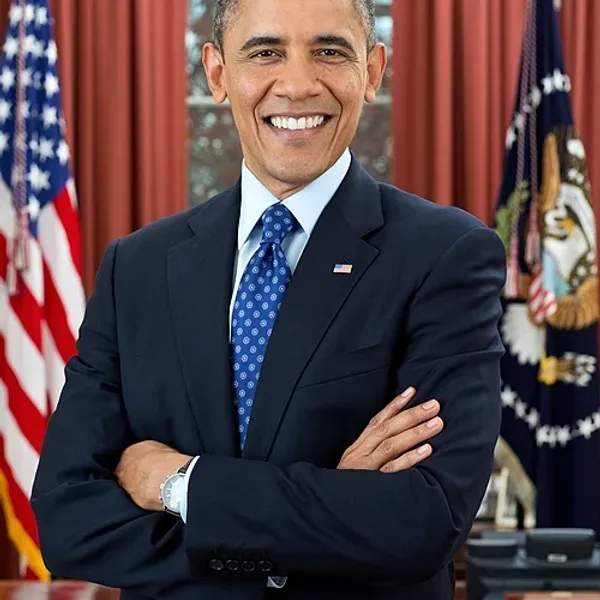
Sandra Day O'Connor's 2004 Stanford Commencement Address: Building Bridges for Those Who Follow
On 2004-06-13, Sandra Day O'Connor delivered this address at Stanford University's Commencement. Organized around public service, equality, and building bridges for those who follow, it joins personal experience, professional judgment, and the public concerns of its moment. The address asks not only what graduates might do next, but also how educated people should understand their abilities, accept public responsibility, and help build a shared future. This edition is based on a complete authoritative transcript and preserves the sequence and character of the original address.
When Is It Right to Fight? Rethinking the Jurisprudence of Military Force
On 10 May 2004, former Australian Foreign Minister and International Crisis Group President Gareth Evans delivered the Cyril Foster Lecture at the University of Oxford. One year after the Iraq War, the authority of the UN Security Council, the scope of Article 51 self-defence, and the limits of preventive war were under intense dispute. Evans reviewed the collective-security order created by the UN Charter, examined external threats, humanitarian intervention, and the responsibility to protect, and rejected the idea that individual states should unilaterally judge non-imminent threats and wage war. He argued that the world did not need a new legal system, but a Security Council better able to apply existing rules. He proposed five tests for decisions on force: seriousness of threat, proper purpose, last resort, proportional means, and balance of consequences. The lecture distinguishes legal validity from political and moral legitimacy and seeks a credible decision-making process for collective security in the twenty-first century.
Stephen Breyer's 1997 Stanford Commencement Address: Action, Passion, and Integrity
On 1997-06-15, Stephen Breyer delivered this address at Stanford University's Commencement. Organized around personal choice, democratic tradition, and public participation, it joins personal experience, professional judgment, and the public concerns of its moment. The address asks not only what graduates might do next, but also how educated people should understand their abilities, accept public responsibility, and help build a shared future. This edition is based on a complete authoritative transcript and preserves the sequence and character of the original address.
Dianne Feinstein's 1993 Stanford Commencement Address: Turning the Tide
On 1993-06-13, Dianne Feinstein delivered this address at Stanford University's Commencement. Organized around public concern, principle, and actively shaping change, it joins personal experience, professional judgment, and the public concerns of its moment. The address asks not only what graduates might do next, but also how educated people should understand their abilities, accept public responsibility, and help build a shared future. This edition is based on a complete authoritative transcript and preserves the sequence and character of the original address.
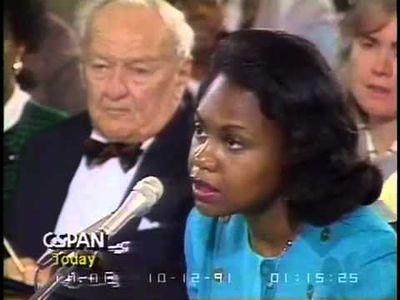
Opening Statement to the Senate Judiciary Committee
On October 11, 1991, Anita Faye Hill delivered this historic statement before the U.S. Senate Judiciary Committee regarding the nomination of Clarence Thomas to the Supreme Court. Hill, a professor of law at the University of Oklahoma, had served as Thomas's assistant during his tenure as Assistant Secretary of Education for Civil Rights and later as Chairman of the EEOC. In her testimony, she detailed instances of sexual harassment by Thomas, including explicit sexual remarks and inappropriate advances. This event sparked nationwide discussions about sexual harassment, gender discrimination, and workplace rights, becoming one of the most significant gender equality events in American history.
Archibald Cox's 1974 Stanford Commencement Address: Can the System Work?
On 1974-06-16, Archibald Cox delivered this address at Stanford University's Commencement. Organized around law, institutions, and public confidence after Watergate, it joins personal experience, professional judgment, and the public concerns of its moment. The address asks not only what graduates might do next, but also how educated people should understand their abilities, accept public responsibility, and help build a shared future. This edition is based on a complete authoritative transcript and preserves the sequence and character of the original address.
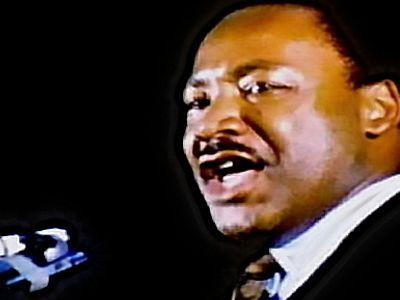
I've Been to the Mountaintop
On April 3, 1968, Martin Luther King, Jr. delivered his final public speech, 'I've Been to the Mountaintop,' at the Mason Temple in Memphis, Tennessee. The address was given in support of the city's striking sanitation workers, who were demanding better pay and working conditions. In this prophetic speech, King reflected on the history of the civil rights movement, the struggle for justice, and the challenges ahead. Most famously, he spoke of having 'been to the mountaintop' and having 'seen the Promised Land,' expressing his conviction that the movement would ultimately succeed despite the difficulties. King was assassinated the following day, April 4, 1968, making this speech a powerful and poignant farewell message.
Earl Warren's 1964 Stanford Commencement Address: Keeping Anger at Injustice Alive
On 1964-06-14, Earl Warren delivered this address at Stanford University's Commencement. Organized around justice, social growth, and civic responsibility, it joins personal experience, professional judgment, and the public concerns of its moment. The address asks not only what graduates might do next, but also how educated people should understand their abilities, accept public responsibility, and help build a shared future. This edition is based on a complete authoritative transcript and preserves the sequence and character of the original address.
Have You Left No Sense of Decency?
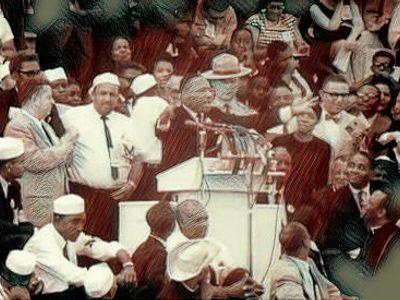
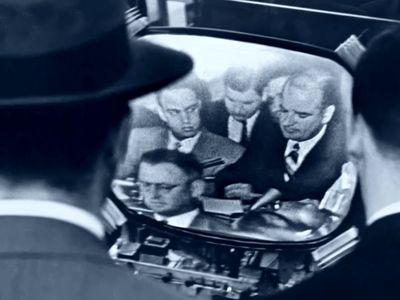
On June 9, 1954, the Army-McCarthy Hearings reached their dramatic climax. Senator Joseph McCarthy accused members of the Army's legal team of having communist sympathies, attempting to undermine the fairness of the hearings. In this historic confrontation, Army counsel Joseph N. Welch delivered this powerful response to McCarthy's unwarranted attack on his young assistant. Welch's question 'Have you no sense of decency?' became one of the most famous political statements in American history, marking the beginning of the decline of McCarthyism. Broadcast live on television, the hearings allowed millions of Americans to witness McCarthy's bullying tactics and paranoia, ultimately leading to his censure by the Senate.
A Plea for Mercy at the Trial of Leopold and Loeb
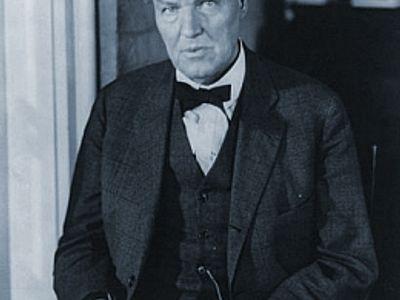
In September 1924, renowned American lawyer Clarence Darrow defended two young murderers, Richard Loeb and Nathan Leopold, in a Chicago courtroom. Known as the 'Trial of the Century,' the case involved two wealthy teenagers who murdered 14-year-old Robert Franks to prove their 'superman' theory. In a 12-hour closing argument, Darrow argued for leniency, citing societal factors, war influences, and family backgrounds as contributing causes. The court ultimately accepted his plea, sentencing the pair to life imprisonment plus 99 years.