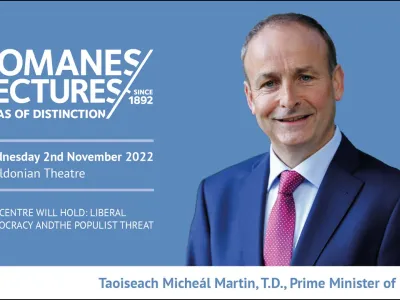
The Centre Will Hold: Liberal Democracy and the Populist Threat
On 2 November 2022, Taoiseach Micheál Martin delivered the Romanes Lecture at the University of Oxford. Taking Yeats's line that the centre cannot hold as his point of departure, he examined the threats that populism, authoritarian interference, online polarization, and the erosion of a shared public square pose to liberal democracy. Drawing on Ireland's democratic development, Europe's response to the pandemic and the war in Ukraine, the European Union's post-Brexit resilience, the Northern Ireland peace process, and refugee integration, Martin argued that democracy retains enduring strength. He called for an open form of nationalism, stronger defense of the rule of law and European cooperation, greater community contact and shared climate action, sustained investment in education and research, support for independent journalism, and the rebuilding of a public sphere capable of diverse, informed debate.
Hugh Brady's 2022 Inaugural President's Address at Imperial College London
On 11 October 2022, Hugh Brady delivered his inaugural annual address as President of Imperial College London. He thanked the community for its research, teaching, and mutual support during COVID-19, then traced his path from clinical medicine and kidney research to university leadership. Brady described Imperial's distinctive combination of science, engineering, medicine, business, entrepreneurship, and its London location, and announced a College-wide refresh of its vision and strategy. Alongside immediate concerns such as mental health, culture, workload, and student hardship, he set out longer-term questions about scaling research and innovation, advancing diversity, developing the White City Campus, achieving net zero, and strengthening Imperial's international presence.
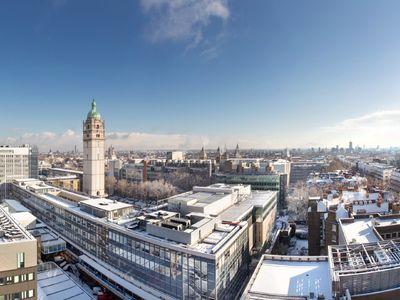
Acting Courageously
On 20 July 2022, Alice Gast delivered her eighth and final annual President's Address at Imperial College London's South Kensington Campus. Beginning with her 1980 valedictory speech at the University of Southern California, she connected youthful fears of war, economic crisis, and energy shortages with contemporary uncertainty. The address reviewed the Imperial community's courage during COVID-19 and reflected on caring for local communities, advancing diversity and belonging, supporting discovery and women entrepreneurs, defending international collaboration, and widening public engagement. Gast presented education as a force that gives people confidence and courage, then used the idea of camouflaged moments to look back on her tenure and urged staff and students to remain strong and keep acting courageously.
Tan Eng Chye's 2022 Commencement Address at NUS
On July 6, 2022, National University of Singapore President Tan Eng Chye addressed the first commencement gathering after two years of pandemic disruption. He urged graduates to cultivate resilience and adaptability while treating problems as opportunities for creative action. Social work graduate Abu Ubaidah, who completed his degree with highest distinction despite kidney failure, COVID-19, and nightly dialysis, illustrated fortitude and empathy. A multidisciplinary student start-up that converted surplus rice into alcohol and granola showed how innovation can combine commercial and environmental benefit. Tan then honoured diplomat Tommy Koh and historian Wang Gungwu, highlighting common ground, historical understanding, diversity, and public service. He also announced an endowed professorship supporting cross-disciplinary learning in humanities and sciences. He closed by asking graduates to carry NUS's tradition of excellence and service into a world of possibility and uncertainty.
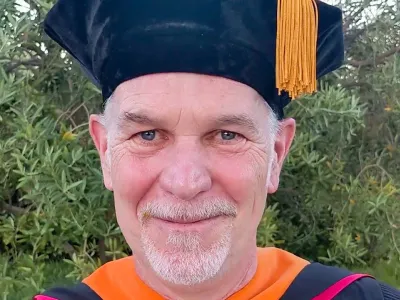
Reed Hastings' 2022 Stanford Commencement Address: Invention, Storytelling, and the Slow Movers
On 2022-06-12, Reed Hastings delivered this address at Stanford University's Commencement. Organized around inventions, stories, and long-term growth, it joins personal experience, professional judgment, and the public concerns of its moment. The address asks not only what graduates might do next, but also how educated people should understand their abilities, accept public responsibility, and help build a shared future. This edition is based on a complete authoritative transcript and preserves the sequence and character of the original address.
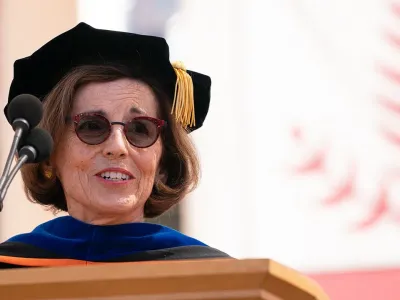
France A. Córdova's 2022 Stanford Commencement Address: Real Life Is Right in Front of You
On 2022-06-11, France A. Córdova delivered this address at Stanford University's Commencement. Organized around curiosity, interdisciplinarity, and entering the unknown, it joins personal experience, professional judgment, and the public concerns of its moment. The address asks not only what graduates might do next, but also how educated people should understand their abilities, accept public responsibility, and help build a shared future. This edition is based on a complete authoritative transcript and preserves the sequence and character of the original address.
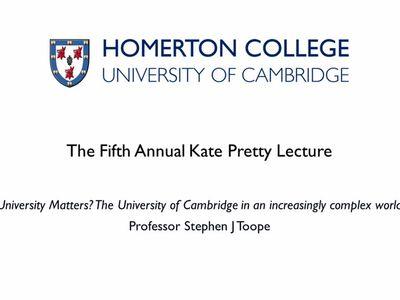
University Matters? The University of Cambridge in an Increasingly Complex World
On 8 June 2022, outgoing University of Cambridge Vice-Chancellor Stephen J. Toope delivered the fifth Kate Pretty Lecture at Homerton College. He examined three areas of accelerated change affecting the public value of universities: expanding regulation and the language of value for money, barriers to international research cooperation after Brexit, and the corrosive effects of identity politics and online hostility on community life. Toope argued that university education is not a commercial transaction and that universities must protect autonomy, international openness, and academic freedom while approaching disagreement with civility, humility, and a willingness to listen. He acknowledged persistent tensions in Cambridge's complex collegiate governance and reviewed progress on climate action, artificial intelligence and the humanities, widening participation, and student support. Cambridge, he concluded, is an unfinished collective enterprise that must keep changing with the world and continue turning wonder into knowledge and knowledge into wonder.
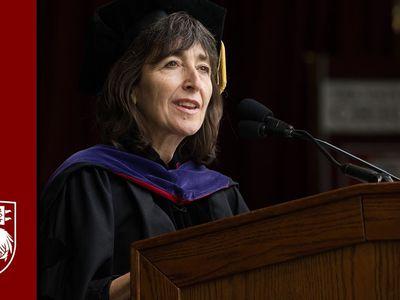
Wendy Freedman's 2022 Convocation Address at the University of Chicago: Our Evolving Universe
On June 4, 2022, astronomer Wendy Freedman delivered a University of Chicago convocation address titled "Our Evolving Universe." Beginning with the birth of the universe and the stars that forged the elements of life, she placed humanity within a visible cosmos 93 billion light-years across before returning to an Earth marked by pandemic, war, violence, and climate crisis. She used COVID-19 vaccines, the James Webb Space Telescope, and the Giant Magellan Telescope to show how global, cross-institutional cooperation can produce extraordinary progress in dark times. Drawing on Copernicus, Galileo, and her own experience challenging an astronomical authority, Freedman urged graduates to resist static worldviews, keep testing their assumptions, meet change with openness and courage, and build a lifelong "personal graduate school" of their own.
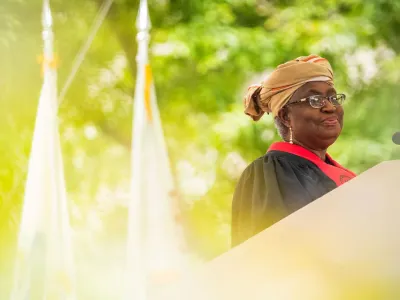
Ngozi Okonjo-Iweala Address to MIT Class of 2022
On May 27, 2022, WTO Director-General and MIT alumna Ngozi Okonjo-Iweala addressed MIT's Class of 2022 in Killian Court. She recalled the help she received from the international students' office when she first arrived at MIT and described how the Nigerian civil war had interrupted her education. Amid overlapping challenges including the pandemic, climate change, and food insecurity, she argued that scientific innovation can benefit the world only when it crosses income and geographic divides through equitable access and diffusion. Drawing on vaccines, clean energy, and her international development work, she explained why public policy, trade, and international cooperation must accompany scientific progress, and urged graduates to use their education to serve others.
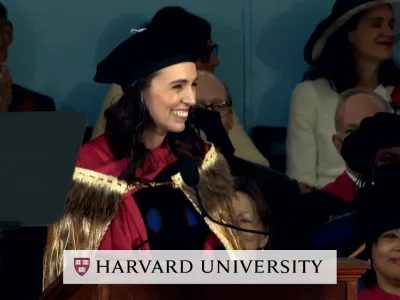
Jacinda Ardern's 2022 Harvard Commencement Address: Turning Kindness into Action
New Zealand Prime Minister Jacinda Ardern delivered this address at Harvard on May 26, 2022. Drawing on her experience as a young woman in leadership, she reflects on the Christchurch terrorist attack, the COVID-19 pandemic, and online polarization. Technology platforms have expanded expression and connection, she argues, but have also accelerated hatred, misinformation, and tribalism. Freedom of speech must therefore be protected alongside transparency, responsibility, and public trust. Ardern rejects the idea that empathy and kindness are forms of weakness. She calls on leaders to hold firm convictions while recognizing the humanity of others, to repair division through listening, facts, and collective action, and to treat kindness as a practical force for change.
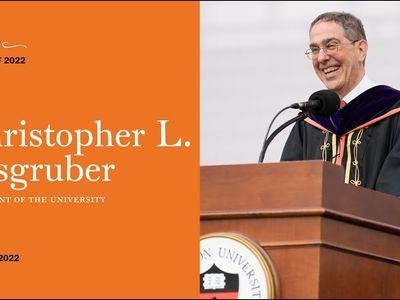
Christopher L. Eisgruber's 2022 Commencement Address at Princeton University: The Value of Persistence
On May 24, 2022, Princeton president and constitutional scholar Christopher L. Eisgruber delivered The Value of Persistence to the graduating class. The pandemic had disrupted part of their college experience through remote learning and changes to campus life. He praised their perseverance through academic and personal challenges while drawing attention to students elsewhere who had left college amid financial pressures and the pandemic. He discussed the importance of completing a degree, urged support for low-income students and those with some college but no degree, and encouraged graduates to thank their supporters and help others cross the finish line. The text follows Princeton’s official remarks as delivered, published that day.
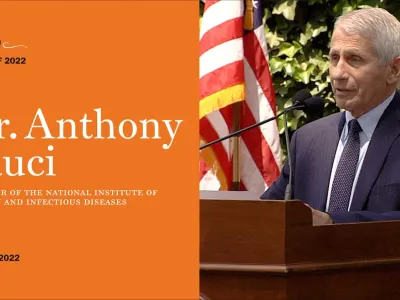
Anthony S. Fauci's 2022 Class Day Address at Princeton University: Leadership by Example
On May 23, 2022, Anthony S. Fauci, then director of the National Institute of Allergy and Infectious Diseases, addressed Princeton University's Class Day. It was the first in-person Class Day in three years, following profound disruptions to students' education and lives during the pandemic. Fauci recognized their adaptability and resilience and recalled his decision to redirect his research toward AIDS, encouraging openness to unexpected opportunities. He also discussed health inequities exposed by the pandemic, public service, leadership responsibilities, and national division. He urged graduates to use critical thinking to defend facts and integrity while cultivating joy in their lives. This text follows the complete prepared remarks published by the university and may differ from the spoken delivery.